
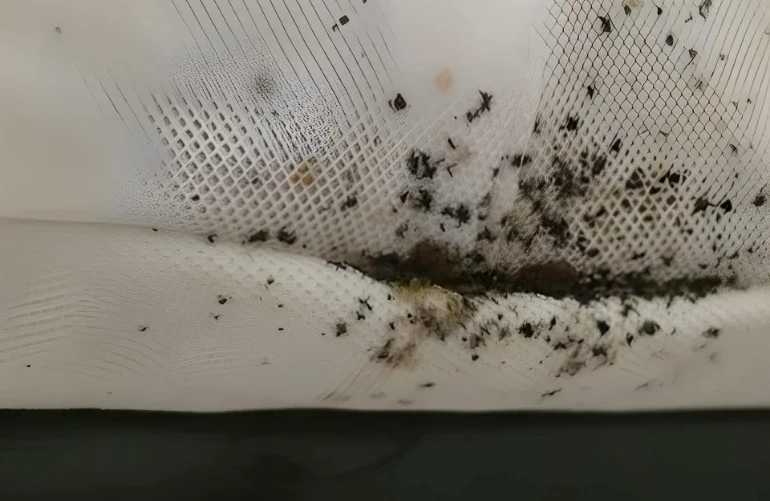
To keep your home clean and under control, you need to know where do bedbugs come from. These bugs don't show up by chance. Instead, they get into homes through normal activities that people don't always notice. Travel, secondhand goods, and shared spaces are some of the most common ways to get around. Many homeowners also wonder where bed bugs come from in clean, well-kept areas. This shows that people often don't understand how they act.
Bed bugs don't like dirty or bad conditions. They like it when they can always get to people. This is why bed bugs come into bedrooms and other places where people spend a lot of time sleeping. Once they get inside, they quickly hide in hard-to-reach places, making it hard to find them early. Finding out where bedbugs come from lets homeowners take steps to stop an infestation before it gets worse.
This guide lists the most common places where bed bugs come from, explains why they go to certain parts of a house, and shows where they usually hide, like in dresser drawers.
Why Knowing the Source Helps You Stay Safe
If you understand where do bedbugs come from, you can stop them before they establish a colony. Most people think these pests appear out of nowhere or come from poor sanitation. That is not true. They travel from place to place by hitchhiking.
So why does this matter for you? Because you can change your habits. You can inspect hotel rooms before unpacking. You can avoid picking up furniture from unknown sources. You can set up a laundry routine after travel. Without knowing where do bedbugs come from, you are just hoping for the best. And bed bugs do not go away with hope.
Crucial Resources for Locating Bed Bug Sources
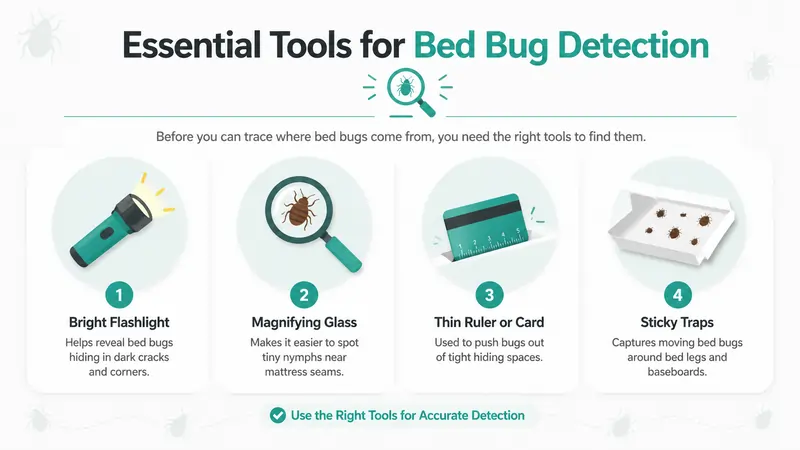
Before you can trace where do bedbugs come from, you should have these tools to help you locate bugs.
-
Bright Flashlight: A flashlight with a bright beam can help you find bed bugs that are hiding in dark places.
-
Magnifying Glass: Nymphs are very small, so using a magnifying glass makes it easier to see them near the seams of a mattress.
-
Thin Ruler: You can use a credit card or ruler to push bed bugs out of their hiding places by sliding it into tight spaces.
-
Sticky Traps: Sticky traps are a good way to catch bugs as they move through your room. You can put them around bed legs or baseboards.
The Most Common Ways Bed Bugs Reach Your Bedroom
Tracing the entry points is essential for long-term prevention in any living environment.
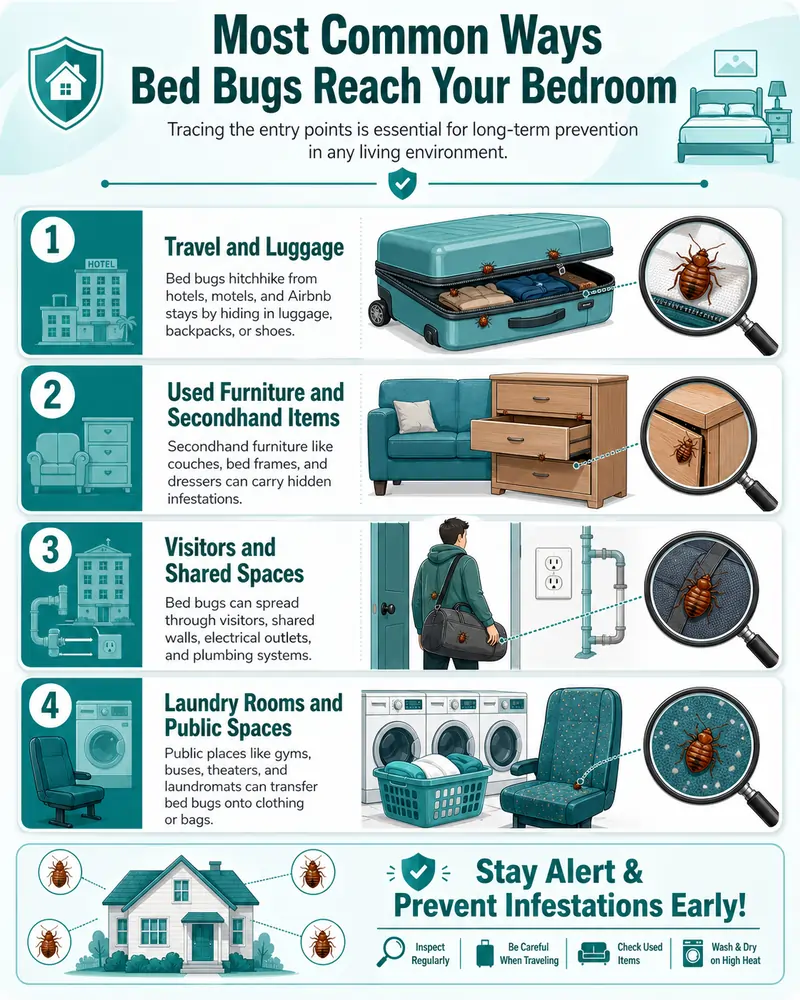
Source 1: Travel and Luggage
Hotels, motels, and Airbnb rentals are common origins. You sleep in a room with an undetected infestation. One or two bugs crawl into your suitcase, backpack, or shoes. Then you bring them home. That is a primary answer to where do bedbugs come from for frequent travelers.
Source 2: Used Furniture and Secondhand Items
Buying a used couch, bed frame, or dresser is risky. The previous owner might not even know they had bed bugs. Bed bugs in dresser drawers are especially common because drawers have multiple cracks and joints. So when someone asks where does the bed bugs come from in a home with no recent travel, used furniture is often the culprit.
Source 3: Visitors and Shared Spaces
A friend or family member who has bed bugs can bring them to your home on their clothes or in their bag. Apartment buildings are another big source. Bugs can get into your unit through wall voids, electrical outlets, and plumbing pipes.
Source 4: Laundry Rooms and Public Spaces
Gym lockers, movie theaters, buses, and laundromats can harbor bed bugs. These pests are patient. They wait for a person to sit down, then crawl onto clothing or bags. Your local library or office chair might also be a source.
Where Do Bed Bugs Like to Hide Once They Arrive
After you know where do bedbugs come from, you need to find where they go.
Bed Bug Hiding Spots in the Bedroom
The mattress and box spring are number one. Seams, tufts, and tags are perfect. Bed bug hiding spots also include the bed frame, headboard, and nightstands. Cracks in wooden furniture are ideal because they are dark and tight.
Bed Bugs in Dresser Drawers
This is a spot many people miss. Bed bugs in dresser drawers hide in the corners, under the drawer slides, and along the back panel. They crawl out at night to feed and then return to the drawer before morning. When you are searching for where do bed bugs like to hide, always pull out every dresser drawer and inspect thoroughly.
Other Common Hiding Locations
Baseboards, carpet edges, curtains, and electrical outlets all serve as homes. Behind wall posters and inside clock radios are other spots.
Why Do Bed Bugs Come Into Your Living Space
You might wonder why do bed bugs come specifically to your bedroom and not the kitchen or bathroom. The answer is simple: they follow carbon dioxide and body heat. You exhale CO2 while sleeping. That signal tells bed bugs that a blood meal is nearby. They also sense warmth. So your bed becomes a beacon.
Another reason why do bed bugs come into certain rooms is proximity. They do not fly or jump. They walk. So they need to hide within eight to ten feet of where you sleep. If you moved your bed to the middle of the room with no nearby furniture, they would have a harder time. But most beds are against walls, near nightstands and dressers, giving bugs easy access..
When to Call an Expert for Assistance
Some infestations are too large or too hidden for DIY methods. Here is when you need specialized care.
-
Recurring Bites: If you have cleaned and sprayed but still see signs, the bugs are in wall voids.
-
Widespread Furniture Issues: When bed bugs in dresser drawers appear throughout the house, seek help.
-
Hidden Colonies: If you cannot find the source despite bites, pros have detectors to locate them.
The best way to avoid an infestation is to know where do bedbugs come from and inspect everything that enters your home. Watch out because eggs are nearly invisible, making it hard to track where do bedbugs come from without a trained eye. Contact A and B Carpet NY for expert bed bug inspection and treatment services.
If you want to know more about Bed Bug Identification, Symptoms, Prevention & Control
Frequently Asked Questions
They come from visitors, from moving boxes stored in infested warehouses, or from the moving truck itself. Also from apartment neighbors if you share walls. Construction crews can unknowingly bring them from previous job sites.
Look at used furniture, guest visits, or shared laundry facilities. Also check if you recently brought in potted plants from a greenhouse or took items from a storage unit. Bed bugs hide in many unexpected places.
That bedroom likely has the warmest sleeper or the most accessible bed. Bed bugs follow carbon dioxide. If one person breathes heavier or sleeps closer to the wall where bugs travel, that room becomes the target.
Bed bugs in dresser drawers are common, but they also hide behind the dresser itself. The back panel has gaps and the floor underneath the dresser is another spot. Remove the bottom drawer and look up into the frame.
In couches, under cushions, inside curtain folds, behind picture frames, and inside electronics like cable boxes. They also hide under area rugs and along carpet edges. Any dark, quiet spot near where people sit or sleep works.