
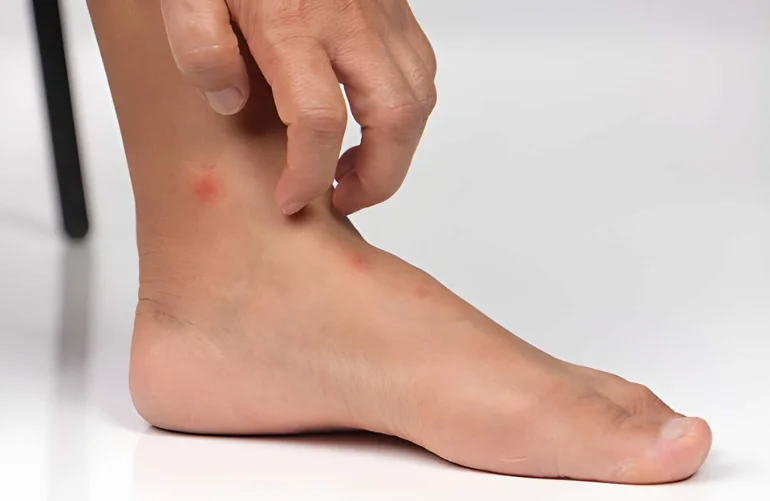
Bed bugs are annoying enough when they leave a tiny red dot, but for some people the problem goes far deeper. An allergic reaction to bed bug bites can cause the skin to blow up with large, painful welts that take days to calm down. The itching and swelling happen because your immune system overreacts to the proteins in the bug’s saliva. If you’ve ever wondered why one person gets a faint mark while another develops angry hives, the answer lies in how sensitive your body is to those proteins. According to the American Academy of Dermatology, bed bug bites can trigger a range of reactions from mild irritation to severe allergic responses depending on individual sensitivity.
Understanding bed bug bites and allergic reaction signs is the first step toward getting relief. You could experience bed bug allergy symptoms that involve more than simply itching, such as blistering or an overall feeling of being unwell. This guide explains what an allergic reaction to bed bug bites appears like, how to treat the irritation safely, and what you can do to prevent future bites. Spotting allergic reaction bed bug bite symptoms early allows you to take action before a minor skin problem becomes a larger health concern.
Why Some People React So Strongly To Bed Bug Bites
When a bed bug feeds it injects a small amount of saliva containing special proteins to keep your blood flowing. Most people have a mild histamine response that creates a tiny red bump, but those with a higher sensitivity mount a much larger defense. When someone is allergic to bed bug bites, it means that their immune system releases a bit too much of histamines in one go and that makes the skin around the bite swell up quite a bit. This is why bed bug allergy symptoms can range from a pink, puffy spot to a blister that feels hot to the touch. If you are experiencing persistent allergic reactions, exploring allergy control services can help address broader environmental triggers in your home.
The timing also varies person to person. Some individuals notice bed bug bites and allergic reaction signs within hours, while others wake up a day later with a line of large, angry welts. The severity depends on how often you’ve been bitten before and your personal allergy history. Allergic reactions to bed bug bites sometimes go away on their own, but in rare cases, they can become infected or lead to a full-body rash. Knowing the difference between a normal bite and an allergic response helps you decide when to treat the problem at home and when to get outside help.
Common Signs Of An Allergic Reaction To Bed Bug Bites
You can often tell the difference just by looking. Here are the main symptoms people face when their body overreacts.
-
Large Raised Welts: The bite area puffs up into a coin sized red bump much bigger than a typical mosquito bite.
-
Severe Itching: Bed bug bites cause a deep, intense itch that’s hard to relieve. This is because of the allergic reaction.
-
Small Blisters In The Middle: Classic allergic reaction symptom of bed bug bites, fluid filled bubbles appear where the bed bug punctured the skin.
-
Warmth And Soreness: Tenderness and warmth The area around the spot is warm and tender.
-
Hives In Nearby Areas: If you are having a severe allergic reaction, you may develop new raised bumps in other areas of the body, even away from the area of the bite
How to Treat an Allergic Reaction at Home
If the reaction is not life-threatening, simple remedies can calm the skin and stop the itch. Start treatment right away when you notice bed bug allergy symptoms.
Step 01: Clean The Bites Gently
Cleanse Gently wash the affected area of skin with mild soap and cool water and pat dry (do not rub). Cool water will help reduce the urge to scratch and prevent bacteria from entering the open bumps. This first step will reduce the severity of an allergic reaction to bed bug bites and help prevent secondary infection.
Step 02: Apply A Cold Compress
Wrap ice cubes in a clean towel and apply gently to the swollen area for ten minutes. The cold constricts the blood vessels and slows down the release of histamine, which provides quick relief from the throbbing feeling. Repeat this a few times daily until the bedbug allergy symptoms start to shrink.
Step 03: Use Over-the-Counter Relief
An antihistamine pill or a thin coating of hydrocortisone cream can decrease swelling and break the itching cycle. These products target the root of bedbug bites and allergic reactions directly. Always follow the package instructions and stop any treatment if the skin becomes more irritated.
Preventing Further Exposure To Bed Bugs
Once you have calmed the skin, the most important thing is to make sure you do not get bitten again. The cycle repeats if the source remains.
Step 01: Inspect The Mattress And Seams
Pull back the bedding and look closely at every stitch, fold, and corner of the mattress for tiny dark spots or live bugs. Bed bugs hide in narrow spaces during the day and emerge at night to feed. Catching them early prevents another allergic reaction to bed bug bites from developing days later.To understand more about where these pests hide, check out our guide on where bed bugs hide and why you keep missing them.
Step 02: Wash Everything In Hot Water
Strip the bed and wash all sheets, pillowcases, and blankets in the hottest water the fabric can handle, then dry them on high heat for at least thirty minutes. The heat kills both the bugs and their eggs, stopping the chain of bed bug bites and allergic reaction before it restarts. For items that cannot be washed, a hot steam cleaner does the same job.
Step 03: Seal Cracks And Crevices
Search along baseboards, around wall outlets and where the carpet meets the floor to find any small gaps that bugs could travel through. Caulk those gaps and remove clutter around the sleeping area to have fewer hiding spots. A cleaner, sealed environment naturally reduces the chance of future bed bug allergy symptoms.
When To See A Doctor For Severe Reactions
Most allergic reactions can be managed, but some can escalate rapidly and require medical attention. Watch how your body responds
-
Signs Of Infection: Bacteria have entered the wound if you notice yellow crusting, oozing, or a spreading red streak around the bite.
-
Difficulty Breathing Or Tightness: Swelling that moves beyond the skin into the throat is a medical emergency far beyond normal allergic reaction to bed bug bites.
-
Whole Body Hives Or Fever: When bed bug allergy symptoms spread across the entire body or come with a fever, the reaction has become systemic.
Keep bites clean and covered with loose clothing while they heal to avoid scarring. If the allergic reaction to bed bug bites keeps you up at night despite home treatment, do not wait until the skin breaks open. Contact A and B Carpet NY for expert bed bug treatment and deep cleaning services that remove the source for good.
Frequently Asked Questions
Most reactions will go away in three to seven days though swelling can take up to two weeks to go down. Regular application of a cold compress and antihistamines can go a long way in helping speed up the recovery of bed bug allergy symptoms.
Yes, some people do not react until 24 to 48 hours after the bite because the immune response takes time to build. That is why bed bug bites and allergic reaction patterns often appear in clusters after you have already been bitten multiple times.
Flea bites usually are clustered around the ankles and are small, whereas bed bug allergy symptoms often show up as larger, raised welts anywhere the skin was exposed. The severity and location of the bites helps determine which pest caused the bed bug bites and allergic reaction.
Although scratching does not spread the allergy itself, it can cause the skin to break open and allow bacteria to enter the area. It can also lead to a secondary infection that will make the symptoms of an allergic reaction to bed bug bites worse and last longer.
Children have thinner skin and can have more aggressive immune systems, so they sometimes have more dramatic swelling and redness. Parents should watch carefully for bed bug allergy symptoms, and treat the bites early to avoid heavy scratching.